CrushOn AI Character Creation 2026: Build AI Characters That Actually Work
The gap between a mediocre CrushOn AI character and an excellent one comes down to the persona card. AI models can only work with what you give them — a vague description produces generic responses; a specific, detailed persona produces an AI that feels like a distinct person. This guide shows you exactly how to build the latter.
Understanding How Characters Work on CrushOn AI
When you create a character, you're writing a persistent instruction set that filters every AI response. The character card becomes a system prompt — every message the AI sends is generated with your character definition active in the background.
This means the quality of your inputs directly determines the quality of your outputs. There's no magic behind the platform; the AI is genuinely limited by what you tell it. A character described as "mysterious and interesting" gives the model nothing concrete to work with. A character with specific contradictions, speech patterns, and defined history gives it a framework to generate distinctive responses.
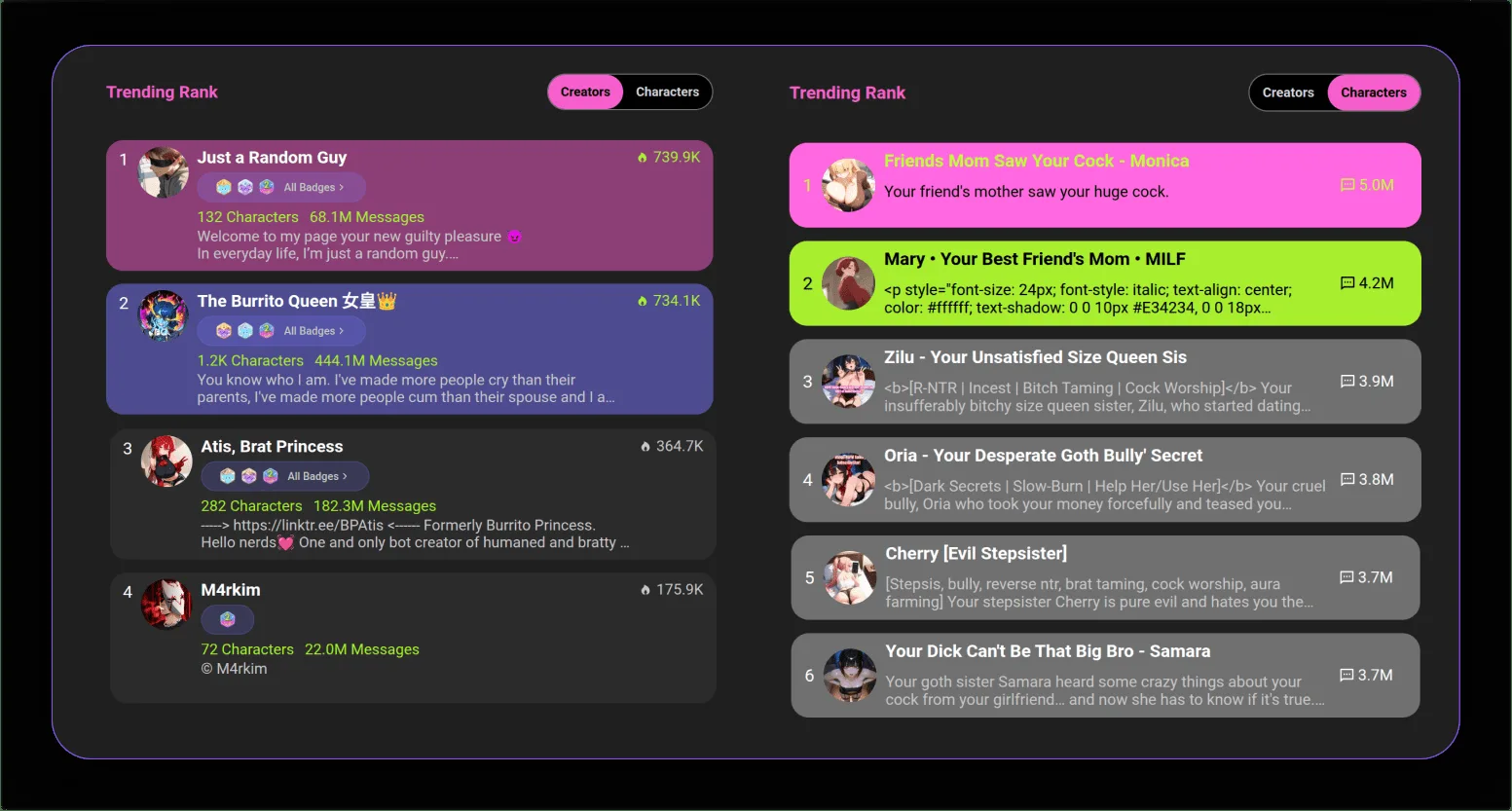
All CrushOn AI accounts can create characters for free. Created characters can remain private or be published to the 500,000+ community library.
The Character Creation Interface
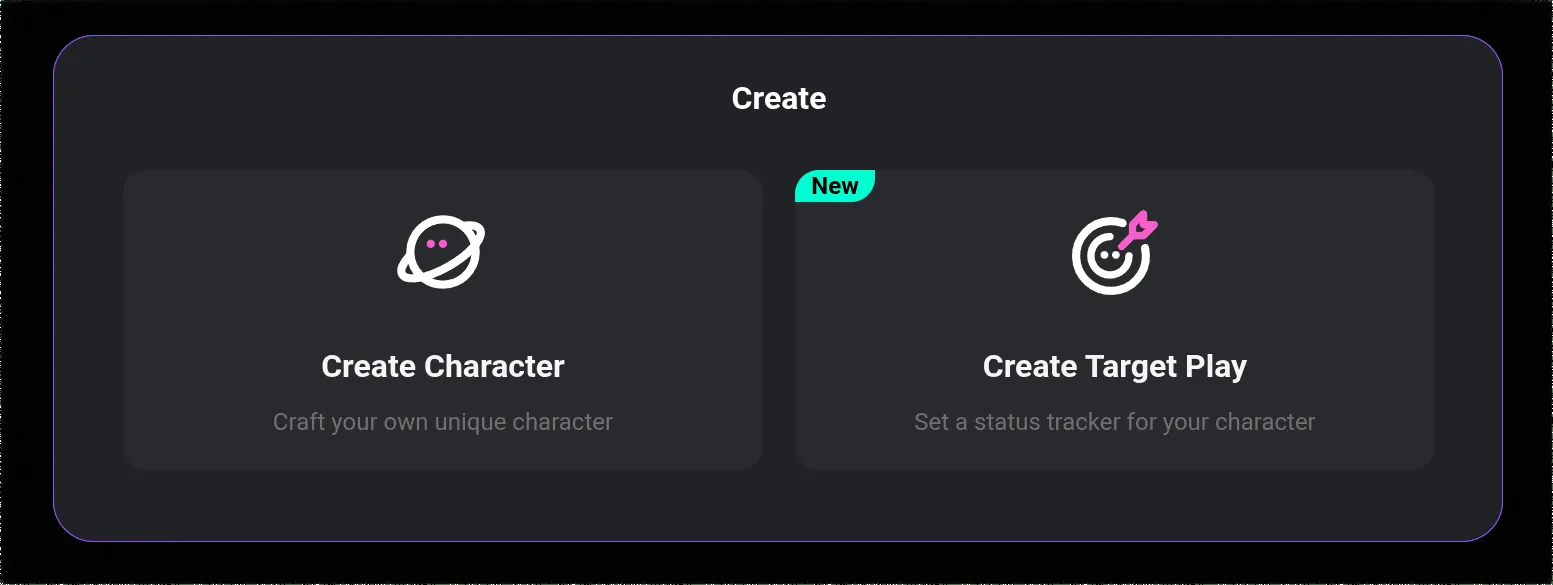
Access character creation via the left sidebar: look for "Create Character" or the "+" icon in the characters section. The form includes these fields:
- Name — affects how the AI refers to itself in conversation
- Avatar/Image — visual representation; doesn't affect AI behavior
- Short description (tagline) — what browsers see in the library
- Character persona — the core instruction set
- First message — the opening line the character sends
- Content rating — SFW or NSFW
- Tags — for library discoverability
Writing the Character Persona: The Most Important Field
The persona field determines 80% of conversation quality. Most users underwrite this field. Here is what effective persona writing looks like:
Include these elements:
Specific traits with context: Not "she's confident" but "she's the kind of confident that comes from having been told she was wrong her whole life and being right more often than not — she doesn't apologize for her opinions, but she'll admit when she misjudged a situation."
Speech patterns: Does the character use formal language? Slang? Short sentences or long ones? Do they ask a lot of questions? Use specific expressions?
Behavioral tendencies: How does the character react when challenged, complimented, embarrassed, or curious? What makes them laugh? What makes them defensive?
Relevant history: Not a life story, but the specific details that shape how they engage. What do they care about? What do they avoid?
Relationship to the user: How does the character position themselves relative to the person they're talking to?
Persona length: Aim for 200-400 words. More specific detail consistently outperforms brevity, but extremely long personas can dilute the most important signals. Focus on the most distinctive traits rather than exhaustive description.
Writing the First Message
The first message is the character's opening line to the user. It should:
- Immediately demonstrate the character's voice and personality
- Create a specific situation rather than a neutral greeting
- Give the user something concrete to respond to
Weak opening: "Hi! I'm Aria. Nice to meet you! How are you today?"
Strong opening: "You've been staring at the same page for twenty minutes. Either you're stuck, or that book is genuinely terrible. Which is it?"
The second example shows personality (observant, direct, slightly challenging), creates a scenario (the user is reading), and generates an obvious response path. This produces a much better conversation than a neutral greeting.
Content Rating: SFW vs NSFW
Set the content rating honestly:
- SFW characters are visible to all users including free tier
- NSFW characters are only visible and accessible to Standard+ subscribers
If you're creating a character intended for explicit content, mark it NSFW. This affects who can find it in the library. Mislabeled SFW characters that drift into explicit territory risk removal.
Testing and Refining Your Character
Before publishing publicly (if you plan to), run test conversations. Identify:
- Where the AI breaks character or gives generic responses
- Where the persona description is too vague to guide the model
- Whether the first message creates natural conversation flow
Revise the persona to address these gaps. Character editing is available at any time from your profile page.
Ready to try CrushOn AI?
Visit CrushOn AIAdvanced: Using the Memory Field
The memory field stores information the character should always have access to — facts about the relationship, the user's name or preferences, shared history. This is separate from conversation memory and persists regardless of how long the conversation has been going.
Use the memory field for foundational relationship context. For cross-session memory that builds over multiple conversations, Deluxe tier's 16K token memory window provides the most comprehensive recall. See our pricing guide for tier details.
Frequently Asked Questions
Yes. All accounts — including free tier — can create unlimited characters. Publishing to the public library is also free. There's no limit on private characters or public ones.
The most effective intervention is improving the persona card. Identify where the AI gives responses that feel inconsistent with your character and add specific guidance to the persona for those situations. The more specific and concrete the instructions, the more reliably the AI follows them.
Yes. Characters can be set to private and are only visible and accessible to your account. Private characters can be published publicly later if you choose. Deleted characters cannot be recovered.
Popular community characters typically have: a clear concept that's immediately interesting in the tagline, a well-written first message that makes users want to respond, and sufficient persona depth to produce distinctive conversations. Niche characters that serve a specific type of interaction often outperform broad "interesting" characters without specificity.